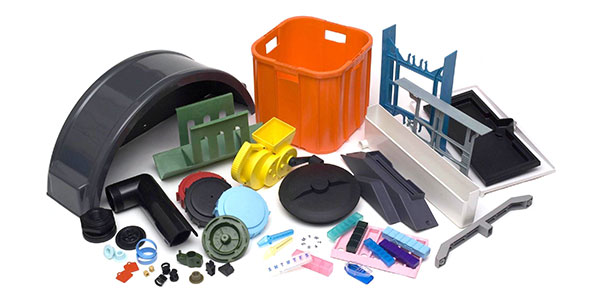
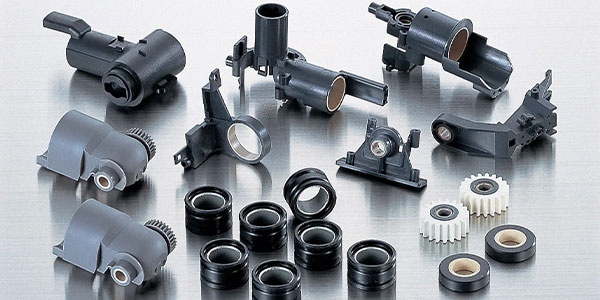
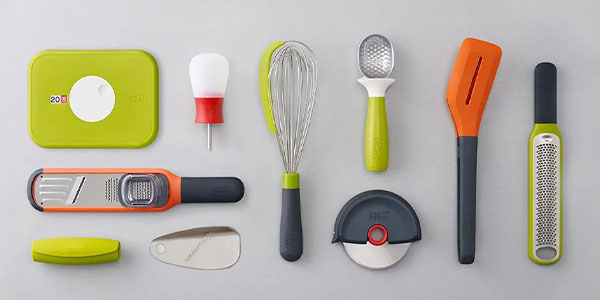
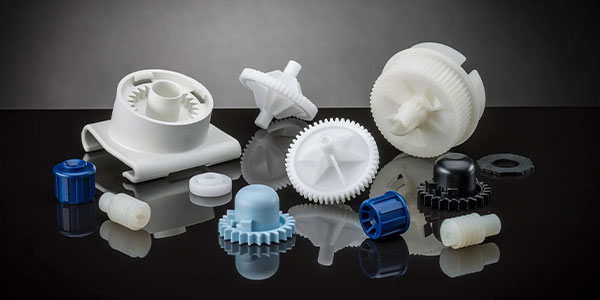
LXL Molding has been injection molding in Shenzhen since 1997 — 29 years. We run 23 presses from 80 to 500 tonnes, stamp sheet metal from 0.2 to 6.0 mm, cut more than 20 new molds a month in our own tool shop, and assemble finished product on four lines. All of it in one building in Longgang.
That layout is the capability. A project here does not get handed between a molder, a tool shop, a stamper and an assembly house that never speak to each other. When a fit problem appears, the person who cut the steel walks over to the line that found it.
At a Glance
| Capability | Capacity | What it means for your project |
|---|---|---|
| Injection molding | 23 machines, 80–500 t | Hand-sized parts on the small presses, housings up to about A3 on the large ones |
| Robotic take-outs | 14 | Steadier cycle, and less handling damage on visible parts |
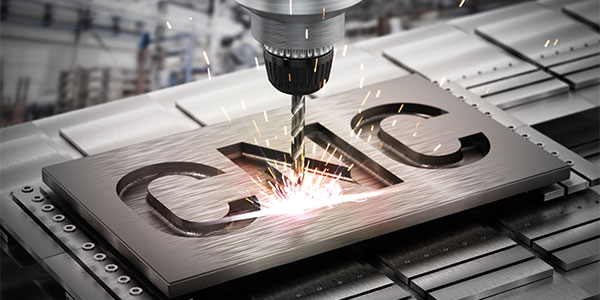
| Sheet metal stamping | 25T–400T, 0.2–6.0 mm | Brackets, chassis and covers from foil-thin to 6 mm plate |
| Tooling | 20+ new molds per month, in-house | A change to your mold does not queue behind another customer's |
| Mold build | 25–30 days, T1 about 14 days | First article roughly six weeks after design freeze |
| Assembly | 4 lines, 3,000 sqm warehouse | We can ship a boxed product, not just a bag of parts |
| Resins | 13 grades: ABS, PC, PC+ABS, PA6, PA66, PP, POM, PMMA, HDPE, LDPE, TPE, TPR, TPU | Common engineering grades are on the floor; specials are sourced to order |
| Certification | ISO 9001 | Documented process control — the only certification we hold |
What the Tonnage Range Actually Covers
An 80-tonne press and a 500-tonne press do not make the same parts. Clamp force has to cover the projected area of the part and runner multiplied by the cavity pressure the resin needs, which is why the spread of the range matters more than the count of machines.
Typical boundaries, from the small end up:
- 80–150 t — small precision parts: connector bodies, clips, keycaps, small gears. Usually multi-cavity.
- 150–250 t — hand-held housings, controllers, sensor bodies.
- 250–350 t — appliance panels and enclosures around A4 footprint.
- 350–500 t — larger covers and housings where the projected area needs the clamp force.
If your part sits near a boundary, send the model. Which machine it runs in is a question we answer before quoting, and the answer sometimes changes the design rather than the price.
Tooling: Why In-House Changes the Schedule
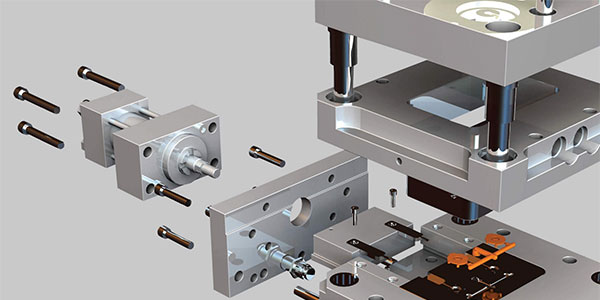
More than 20 new molds a month leave our own tool shop, with partner shops taking overflow. The number that matters to a customer is not the 20 — it is that a change to a mold you already own does not wait for a slot in someone else’s queue.
Mold build runs 25 to 30 days from design freeze, and T1 samples follow about 14 days after that. When the first article needs a steel change, the tool is already in this building. That is the difference between a two-week fix and a two-month one.
How a Project Runs
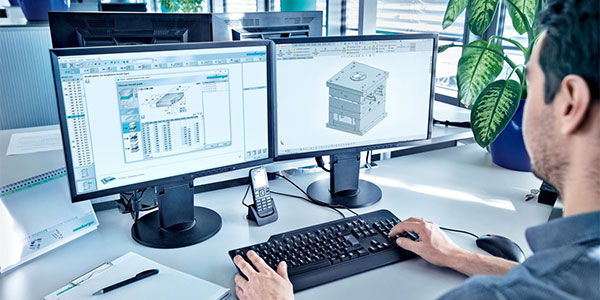
- DFM review and quotation — send 3D files; we reply within 24 hours with what we would change and a price.
- Mold fabrication — 25 to 30 days from design freeze.
- T1 and sample validation — first article about 14 days after the tool is done, inspected against the drawing.
- Trial production and adjustment — only if the first article needs it; steel changes happen here, not later.
- Mass production, assembly and inspection — on the schedule agreed at order.
- Packing and shipment — FOB Shenzhen or DDP.
Quality and Documentation
ISO 9001 covers the process. Beyond that, the documents buyers usually ask for — first-article inspection against the drawing, material certificate for the resin lot, and a dimensional report on the features you mark as critical — are prepared on request and quoted with the job, so nothing is promised that the paperwork cannot support.